

U.S. Climate Leadership – One Year Later…
One year ago, President Trump announced his intention to pull the U.S. out of the Paris Agreement - abandoning the federal government’s role in leading efforts to combat climate change.
But since then, Americans have stepped up. Over 2,700 leaders from states, cities, and businesses – representing 159 million people and $6.2 trillion in GDP – are ramping actions to cut carbon pollution as the rest of the world continues to work toward the goals of the Paris Agreement.
In September, America's Pledge will release its Phase Two report, which tracks non-federal efforts contributing to the Paris Agreement and details how leaders can join the movement.
Sign up to show your support for America’s Pledge
One year later …
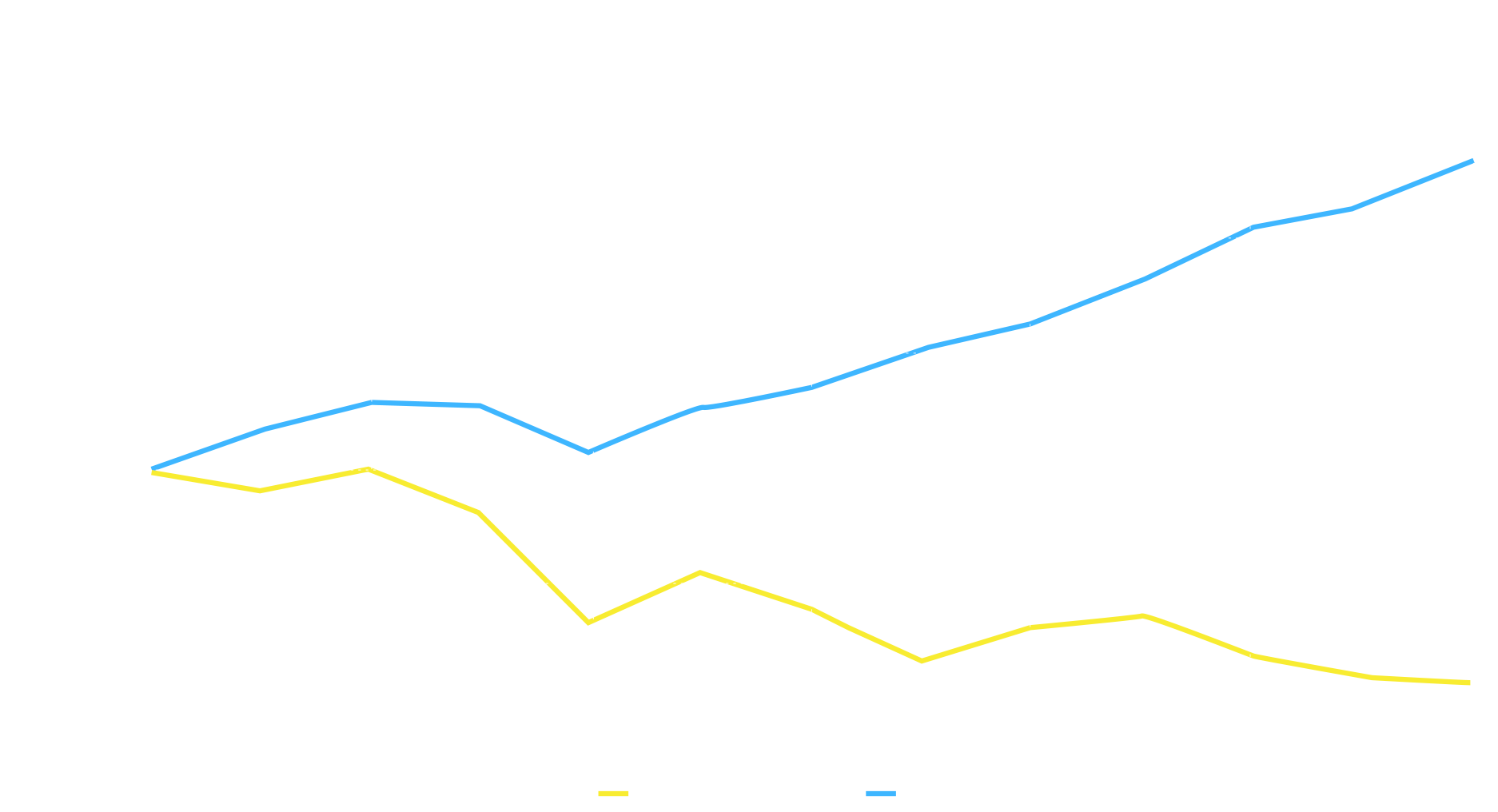
U.S. carbon emissions are continuing to fall
In 2017, U.S. energy-related carbon pollution fell to its lowest level in 25 years.
One year later …
Clean energy now employs nearly 790,000 workers in the U.S., with 350,000 employed in wind and solar
Wind and solar power employs more than 30,000 in Texas, 9,000 in Colorado, and 5,000 in Pennsylvania, and nationally, these jobs could double in the next 10 years.
One year later …
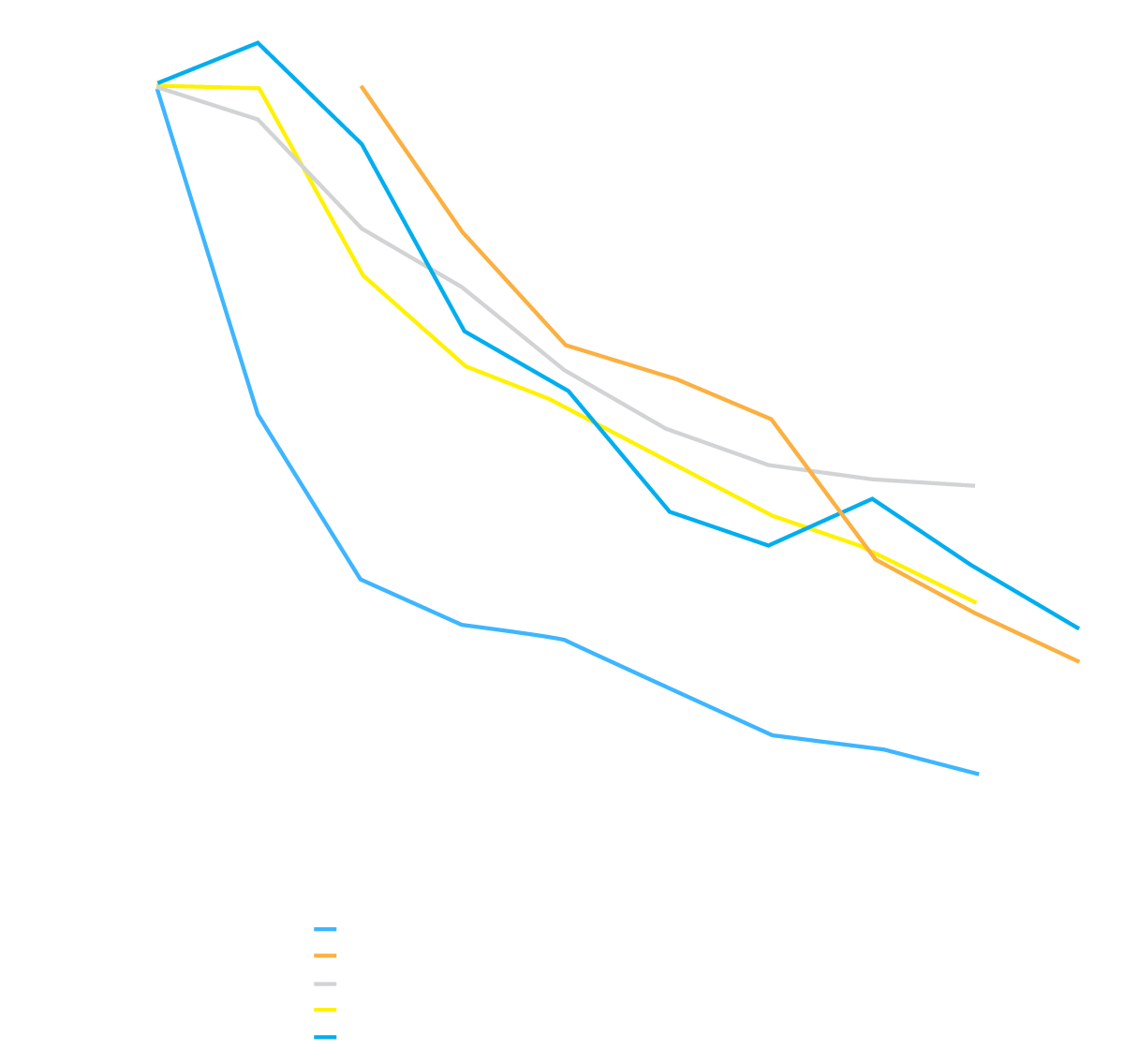
Clean energy technologies continue to become cheaper
In the past 10 years, the cost of wind generation, LEDs, lithium ion batteries, and solar PV has fallen by 70% or more.
One year later …
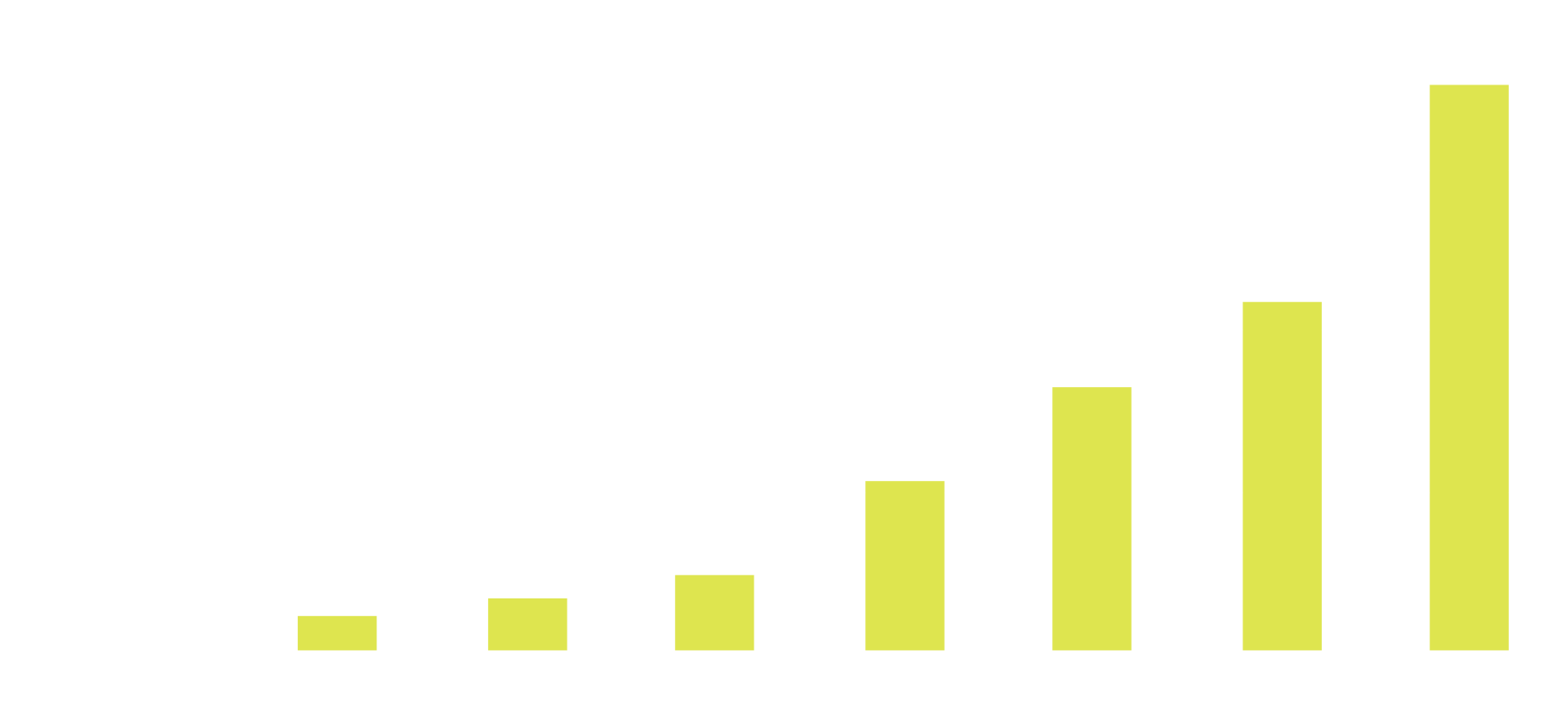
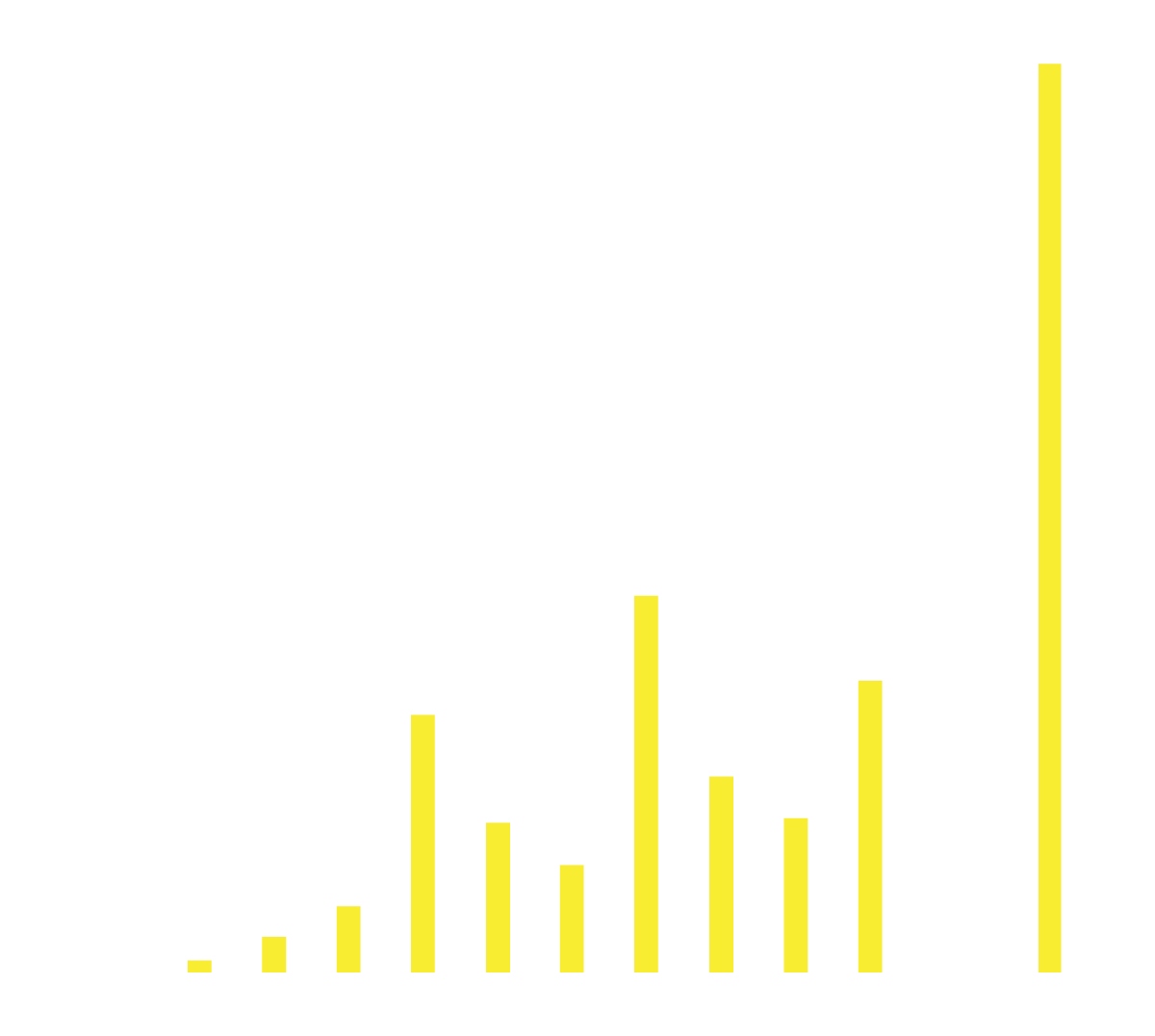
Clean energy deployment continues to surge
Since June 1, 2017, the U.S. has added more than 9 gigawatts of new renewable capacity, and this year, electric vehicles and battery storage are expected to nearly double.
One year later …
Coal plants are closing at a rapid rate
Despite Trump Administration attempts, more coal retired in the first month of 2018 than retired between 2009-2011.
One year later …
States are building a clean energy grid
States continue to set ambitious targets for renewables. In 2018, New Jersey finalized a new target of 35% by 2025 and 50% by 2030.
One year later …
States comprising 35% of the U.S. economy are taking steps to put a price on carbon pollution
By the end of this year, states accounting for at least 35% of U.S. economy are expected to have adopted a cap-and-trade program.
One year later …
States are cutting emissions across many key sectors
States are passing policies to address pollution from oil & gas and from cars & trucks. In 2017, Utah became the latest to enact standards for methane pollution from oil and gas.
One year later …
States are defending critical climate policies
States are protecting critical carbon policies from Trump Administration roll-backs. On May 1st, seventeen states sued to block EPA’s proposed elimination of emissions standards on cars and trucks.
One year later …
Companies are stepping up to reduce greenhouse gas emissions
Over 100 companies have announced emissions reduction targets in line with the Paris Agreement, including 25 headquartered in the U.S.
One year later …
A growing number of electric utilities are accounting for the financial risk posed by climate change
In 2017, shareholders of nine electric utilities called on the companies to plan for the financial impacts associated with decarbonization and climate change.
One year later …
The private sector is increasingly investing in renewable energy
Businesses, large and small, financed a total 2.8 gigawatts of new renewable capacity in 2017.
One year later …
84 cities and counties are committed to going 100% renewable
More cities and counties are committing to sourcing 100% of their electricity from renewables, including Minneapolis, which adopted a goal to achieve 100% by 2030.